Queensland

Queensland interactive map

Go to the publications, policies, resources, programs, organisations, events, courses, funding and jobs sections of the Queensland Portal to use the map and filter content by the following regions:

  • Torres and Cape
  • North West
  • Cairns and Hinterland
  • Townsville
  • Central West
  • Mackay
  • Central Queensland
  • South West
  • Wide Bay
  • Darling Downs
  • West Moreton
  • Brisbane Metro
    • Metro North
    • Metro South
  • Sunshine Coast
  • Gold Coast.

Queensland is Australia’s second largest state, with a coastline that stretches over 7,000 kms [51049] from the Torres Strait Islands at the top of the Cape York Peninsula, down to the urban centres of South East Queensland, which includes the State’s capital and largest city of Meanjin/Brisbane, situated on the traditional lands of the Turrbal and Yuggera peoples [51050]. It is also the most decentralised of the mainland states in Australia with more than half the population living outside the greater metropolitan area of Meanjin [51049].

Queensland has the second largest Aboriginal and Torres Strait Islander (First Nations) population in Australia [48277], making up around 29.2% of Australia’s First Nations peoples and almost two thirds (64.5%) of Australia’s Torres Strait Islander population [51051]. Specifically, in the 2021 Census, 4.6% (237,303 people) of the Queensland population identified as Aboriginal and/or Torres Strait Islander compared with 3.2% nationally [51052]. Along with the Australian Capital Territory, Queensland also has the highest projected growth rate for Aboriginal and/or Torres Strait Islander people in Australia to 2031 (2.4% per year) [51053]. Of those who identify as Aboriginal and/or Torres Strait Islander in Queensland, 81.5% identify as Aboriginal, 9.2% as Torres Strait Islander, and 9.3% as both Aboriginal and Torres Strait Islander [51054].

Reducing the disparity of health outcomes between First Nations peoples and other Queenslanders, as well as between remote and urban areas across Queensland, is a priority. Closing this gap is also embedded in the care and determination of First Nations community controlled health services (ATSICCHS), which are guided by the State’s peak body, the Queensland Aboriginal and Islander Health Council (QAIHC). A list of QAIHC’s thirty one Member ATSICCHSs and two regional organisations (the Institute of Urban Indigenous Health (IUIH) and the Northern Aboriginal and Torres Strait Islander Health Alliance (NATSIHA)) can be found on the Map of Aboriginal and Torres Strait Islander health/medical services.

The Making tracks toward closing the gap in health outcomes for Indigenous Queenslanders by 2033 set out Queensland Health’s commitment to health equity by working in genuine partnerships with First Nations peoples and organisations, such as QAIHC, and through recognising self-determination [19393]. This is re-affirmed across all 16 of Queensland’s Health and Hospital Services in their Health Equity Strategies, and in the HealthQ32: First Nations First Strategy 2032, which aims to ensure a better integrated, culturally safe health system that recognises the localised health issues faced by First Nations peoples across Queensland [48613].

References

Key resources

calculating...
calculating...
calculating...
calculating...
calculating...

Workforce information

calculating...
calculating...
calculating...
calculating...

Proudly supported by

Artwork

Making Tracks

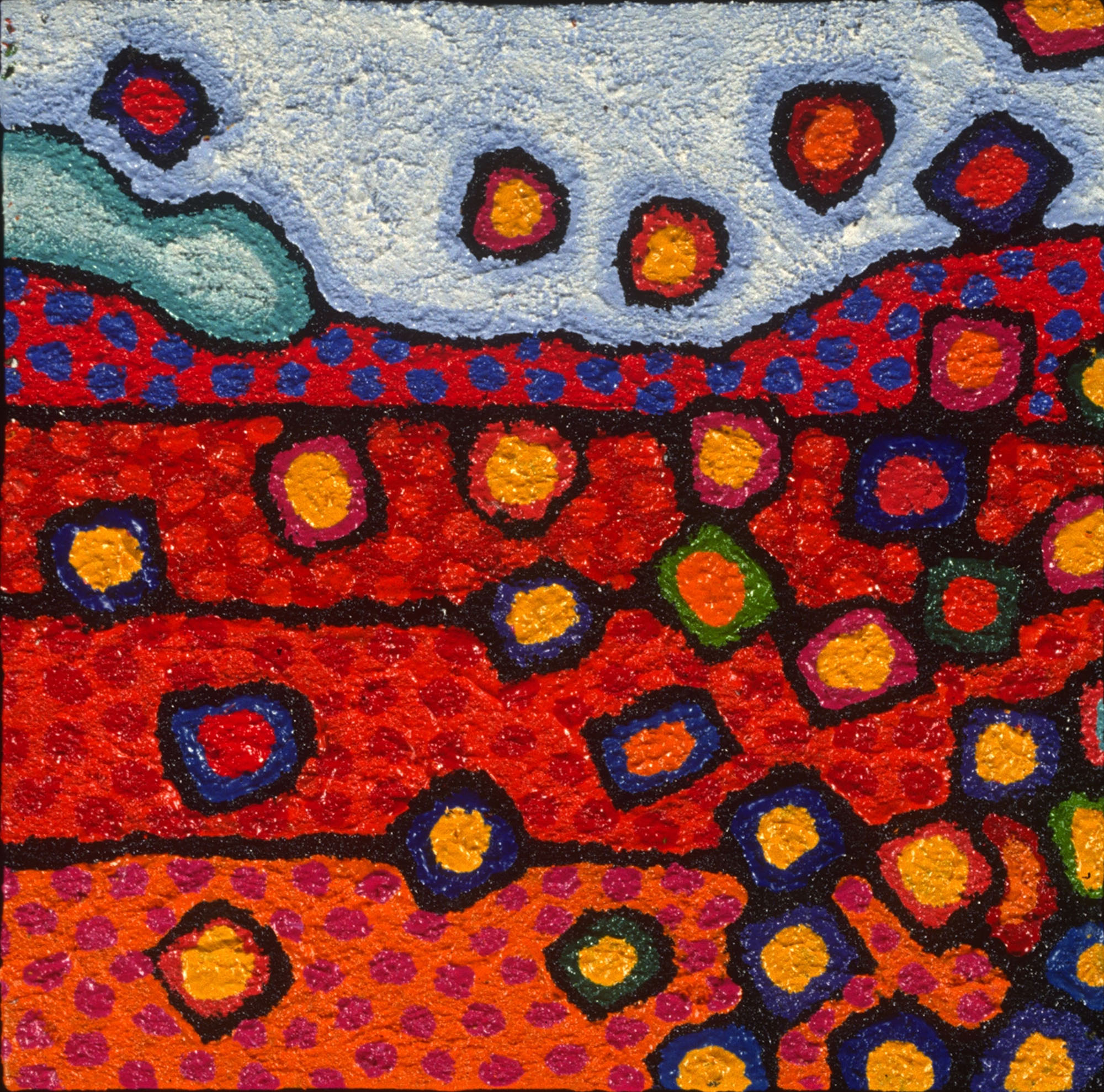
Artwork produced for Queensland Health by Gilimbaa

Cultural Safety for Health Professionals

Welcome to the HealthInfoNet’s Portal on Cultural Safety for Health Professionals. The portal aims to support health professionals in their practice to deliver culturally safe, accessible and responsive healthcare that is free from racism.

Links are provided here to Aboriginal and Torres Strait Islander health and cultural safety publications, policies, resources (health promotion and health practice), programs, organisations and workforce support information as well as content relevant to specific health professional disciplines. These disciplines align with the Australian Health Practitioner Regulation Agency’s 16 registered professions.

We are grateful to the First Peoples Health Unit at Griffith University in Queensland who provided funding for the original setting up of this Portal. The HealthInfoNet continues to support the Portal, without specific funding, as a service to Allied health professionals working in Aboriginal and Torres Strait Islander health throughout Australia.


Key resources

calculating...
calculating...
calculating...
calculating...
calculating...

Workforce information

calculating...
calculating...
calculating...
calculating...

Like to see more?

The funds provided by the Australian Department of Health and Aged Care enable good coverage of many areas, particularly those within the direct responsibility of the health system. However there are other health topics which require additional funding.

We seek your assistance to fund this topic to support us in helping to improve health outcomes for Aboriginal and Torres Strait Islander people.

Artwork

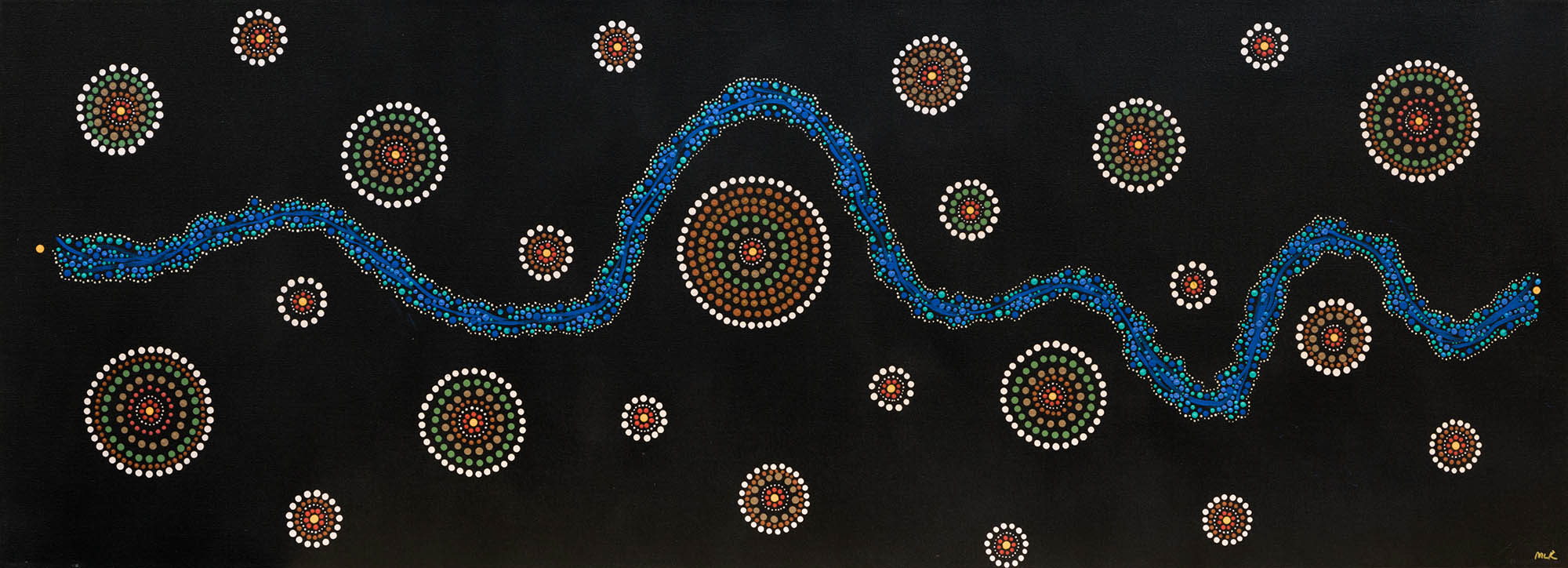
Melanie Robinson - Pilbara Travels

Palliative Care and End-of-Life Care

The term palliative care refers to person and family-centred care provided for someone with an active, progressive, advanced disease, who has little to no prospect of cure and who is expected to pass on, and for whom the primary treatment goal is to enhance the quality of life [34945].

Palliative care identifies and treats symptoms which may be physical, emotional, spiritual or social [35540]. Due to a person’s individual needs, the services offered can be diverse. The term end-of-life care refers to the last few hours or days of life in which a patient with a life-limiting illness is rapidly approaching [34945]. Sometimes these terms can be used interchangeably or have different definitions [43673].

When providing person-centred care to Aboriginal and Torres Strait Islander people, it is important to ask the person who they would like to be involved in discussions about their health care [29818]. They may have decision makers or spokespersons who should be involved in all discussions and decisions regarding that person’s care. If this is the case, it should be clearly documented in the person’s records [29818].

The time surrounding the end of someone’s life is precious and needs to be respected and approached in a safe, responsive and culturally appropriate manner. Aboriginal and Torres Strait Islander people often have a number of customary practices before, during and after passing. These practices may be sacred and may not be widely discussed outside of the community [21898]. It is also important that a person has the option to decide where they will pass, if possible. This may include a choice to be on Country, at home, in an aged care facility, in a hospice or palliative care unit, or in a hospital at the time of passing [40671].

The Palliative Care and End-of-Life Care Portal is designed to assist the health workforce who provide care for Aboriginal and Torres Strait Islander people, their families and communities. It seeks to support both clinicians and policy makers in accessing research and projects on palliative and end-of-life care for Aboriginal and Torres Strait Islander people.

The Palliative Care and End-of-Life Care project is a collaboration between Palliative Care Australia and the Australian Indigenous HealthInfoNet, with funding from the Australian Government.

Palliative care is not the same as voluntary assisted dying (VAD). To access more information on VAD, including resources specific to Aboriginal and Torres Strait Islander people, please click here.

References


Key resources

calculating...
calculating...
calculating...
calculating...
calculating...

Workforce information

calculating...
calculating...
calculating...
calculating...

Artwork

Carried Lightly by Brian Robinson

Social and Emotional Wellbeing

The term social and emotional wellbeing (SEWB) is used by many Aboriginal and Torres Strait Islander people to describe the social, emotional, spiritual and cultural wellbeing of a person [28917]. The term recognises the connection to land, sea, culture, spirituality, family and community which are important to Aboriginal and Torres Strait Islander people and impact their wellbeing [28917][38676]. It also recognises that a person’s SEWB is influenced by policies and past events [38123][43078].

Another term that is often used when discussing wellbeing is mental health. Mental health is a term that has been used to describe how people think and feel, and how they cope with and take part in everyday life [49685]. Many Aboriginal and Torres Strait Islander people observe mental health and mental illness as medical terms that focus too much on problems and do not properly describe all the factors that make up and influence wellbeing [28917]. Because of this, most Aboriginal and Torres Strait Islander people prefer the term SEWB as it fits well within a holistic view of health [33834]. The holistic model is more collective and has connections not evident in the mainstream view of health [43078]. One way of understanding these different terms is to think of mental health and mental illness as part of a person’s SEWB [28917].

The 2004 and 2017 national SEWB frameworks [2940][33834] set out nine guiding principles that were developed during the Ways Forward national consultancy [8608]. These guiding principles define the SEWB concept and emphasise that SEWB is a strengths based understanding of health [28917][43296]:

  • health as holistic
  • the right to self-determination
  • the need for cultural understanding
  • the impact of history in trauma and loss
  • recognition of human rights
  • the impact of racism and stigma
  • recognition of the centrality of kinship
  • recognition of cultural diversity
  • recognition of Aboriginal strengths (Derived from [28917]).

Aboriginal and Torres Strait Islander culture and self-determination can be powerful protective factors in providing a buffer to psychological distress. Factors identified as enhancing SEWB include: maintaining connection to Country, spirituality, ancestry and kinship networks, as well as strong community governance and cultural continuity [29074]. Renewal of Aboriginal and Torres Strait Islander culture and Indigenous knowledge systems and the capacity for self-determination are being increasingly recognised as fundamental to healing and supporting SEWB [41496].

There are varied experiences and expressions of SEWB [43078], and they may change across an Aboriginal and Torres Strait Islander person’s life course, so what is important to a child may be quite different from what is important to an Elder [33834]. For Aboriginal and Torres Strait Islander people, the understanding of SEWB can also vary between different cultural groups and individuals [28917].

References

Key resources

calculating...
calculating...
calculating...
calculating...
calculating...

Workforce information

calculating...
calculating...
calculating...
calculating...

Artwork

Untitled by Donna Lei Rioli

Closing the Gap

Welcome to the Closing the Gap Portal on the HealthInfoNet. This Portal is a central hub for information about the initiative that aims to improve Aboriginal and Torres Strait Islander people’s life outcomes. The Portal provides a comprehensive collection of publications, resources, policies and programs relating to Closing the Gap. The workforce section includes events, training, funding and jobs.

What is Closing the Gap?

The 2020 National Agreement on Closing the Gap (National Agreement) is a strategy that aims to improve the life outcomes of Aboriginal and Torres Strait Islander people. The

Welcome to the Closing the Gap Portal on the HealthInfoNet. This Portal is a central hub for information about the initiative that aims to improve Aboriginal and Torres Strait Islander people’s life outcomes. The Portal provides a comprehensive collection of publications, resources, policies and programs relating to Closing the Gap. The workforce section includes events, training, funding and jobs.

What is Closing the Gap?

The 2020 National Agreement on Closing the Gap (National Agreement) is a strategy that aims to improve the life outcomes of Aboriginal and Torres Strait Islander people. The current National Agreement has been developed in partnership between the National Federation Reform Council (NFRC) (representing the Australian Commonwealth Government, state and territory governments, and the Australian Local Government Association) and the Coalition of Peaks. The Coalition of Peaks is a representative body of more than 80 Aboriginal and Torres Strait Islander community controlled peak organisations and members [40834].

The National Agreement marks a shift in the approach to the Closing the Gap Strategy, with Aboriginal and Torres Strait Islander people determining what is important to them. Progress on the delivery of commitments is provided via the Implementation Tracker.

The National Agreement, which outlines 17 socioeconomic targets and 4 priority reforms, was signed by the NFRC and the Coalition of Peaks in July 2020. The most recent data on the targets is available via the Closing the Gap Information Repository Dashboard.

The four priority reform targets aim to change the way governments at national, state and community levels work to improve the life outcomes of Aboriginal and Torres Strait Islander people. They are:

  1. Formal partnerships and shared decision making: developing and strengthening structures to ensure the full involvement of Aboriginal and Torres Strait Islander people in shared decision-making at the national, state and local or regional level and embedding their ownership, responsibility, and expertise to Close the Gap.
  2. Building the community-controlled sector: building formal Aboriginal and Torres Strait Islander community-controlled service sectors to deliver Closing the Gap services.
  3. Transforming government organisations: ensuring mainstream government agencies and institutions that deliver services and programs to Aboriginal and Torres Strait Islander people undertake systemic and structural transformation to contribute to Closing the Gap.
  4. Shared access to data and information at a regional level: shared access to locally relevant data and information.

The 17 socioeconomic targets aim to improve the following outcome areas: health and wellbeing, education, employment, justice, safety, housing, land and waters, languages and digital inclusion [40834].

What are the differences between Close the Gap and Closing the Gap?

Close the Gap

Close the Gap is a social justice, community driven campaign that was launched in April 2007 [24836]. It was created as a response to the Social justice report 2005 [2811].

The campaign is operated by a coalition of Australia’s peak Aboriginal and Torres Strait Islander and non-Indigenous health organisations, non-governmental organisations, and human rights organisations [39792]. Close the Gap has a steering committee that is currently co-chaired by Katie Kiss, Commissioner of Aboriginal and Torres Strait Islander Social Justice, and Karl Briscoe, CEO National Association of Aboriginal and Torres Strait Islander Health Workers and Health Practitioners. The steering committee is made up of several organisations and individual expert advisers.

On the third Thursday in March each year, organisations and individuals across Australia host events on National Close the Gap Day. People can also sign the pledge asking for Aboriginal and Torres Strait Islander health equality by 2030.

Closing the Gap

Closing the Gap is a strategy that that aims to improve the life outcomes of Aboriginal and Torres Strait Islander people with respect to health and wellbeing, education, employment, justice, safety, housing, land and waters, and languages. It is a formal commitment made by all Australian governments to achieve Aboriginal and Torres Strait Islander health equality.

References

Key resources

calculating...
calculating...
calculating...
calculating...
calculating...

Workforce information

calculating...
calculating...
calculating...

Like to see more?

The funds provided by the Australian Department of Health and Aged Care enable good coverage of many areas, particularly those within the direct responsibility of the health system. However there are other health topics which require additional funding.

We seek your assistance to fund this topic to support us in helping to improve health outcomes for Aboriginal and Torres Strait Islander people.

Artwork

Closing the Gap artwork

Environmental Health

Environmental health refers to the physical, chemical, and biological factors, which affect the health and wellbeing of people within their surroundings, primarily within their homes and communities [42032]. Aboriginal and Torres Strait Islander people are disproportionately affected by the diseases associated with environmental health, due to factors such as the remoteness of some communities, lack of adequate housing and home health hardware, lack of access to tradespeople and repairs, and the cost of infrastructure maintenance [42074].

Key factors in the physical environment which impact on the health and wellbeing of Aboriginal and Torres Strait Islander people and communities include:

  • access to clean water for sanitation and hygiene hardware (WASH) [47331] such as plumbing, taps and showers in healthy bathrooms and laundries [42753]
  • adequate housing, including repairs and maintenance, and the number of people staying in one house
  • healthy living practices including safely handling food in clean kitchens, and having adequate facilities for washing and doing laundry
  • reliable power supply to operate refrigerators, washing machines and air conditioners
  • waste management, including rubbish collection and disposal, and wastewater and sewage disposal
  • animal and pest management
  • weed management and dust control.

Poor environmental health conditions, that can be exacerbated by crowded housing, contributes significantly to the excess burden of infectious disease and chronic illness including trachoma and rheumatic heart disease (RHD), both of which disproportionately affect Aboriginal and Torres Strait Islander people living in remote communities [44607] [46304]. Examples of other health problems associated with the environment include respiratory, cardiovascular and renal diseases, cancers, skin infections, gastrointestinal illness and vector-borne diseases (illness caused by germs spread to people through the bites of organisms like mosquitoes or ticks). Using data from 2018, one study in the Kimberley region of Western Australia found that a quarter of the budget spend on hospitalisations for Aboriginal people, and over a third of the budget spend for Aboriginal children aged up to 14 years, was due to environmental determinants, revealing the heavy burden that environmental health has on primary health care [43290].

The provision of adequate infrastructure to minimise environmental health risk factors is the responsibility of individuals, communities, and government and non-government agencies [45397]. Many Aboriginal and Torres Strait Islander communities employ an Indigenous Environmental Health Practitioner who plays a vital role in preventing disease through minimising environmental health risks and promoting awareness on healthy living practices [20152].

Aboriginal and Torres Strait Islander people have a holistic conception of health that incorporates their connection to the land, sea, culture, spirituality, family and community [45397]. The interconnectedness of these dimensions, means that environmental health in the context of Aboriginal and Torres Strait Islander culture and values, can also include caring for Country initiatives by Indigenous ranger groups. As Aboriginal and Torres Strait Islander people have such a strong connection to their Country, they are especially vulnerable to the impacts of climate change [46348]. Incorporating Indigenous knowledges into adaptive strategies, can help to reduce the effects of climate change on health and wellbeing.

Indigenous knowledges and participation can also help with other environmental health related activities, such as emergency management, to limit the impact on human health posed by natural disasters such as cyclones, bushfires and floods, and public health issues such as the ongoing COVID-19 pandemic.

References

Key resources

calculating...
calculating...
calculating...
calculating...
calculating...

Workforce information

calculating...
calculating...
calculating...
calculating...

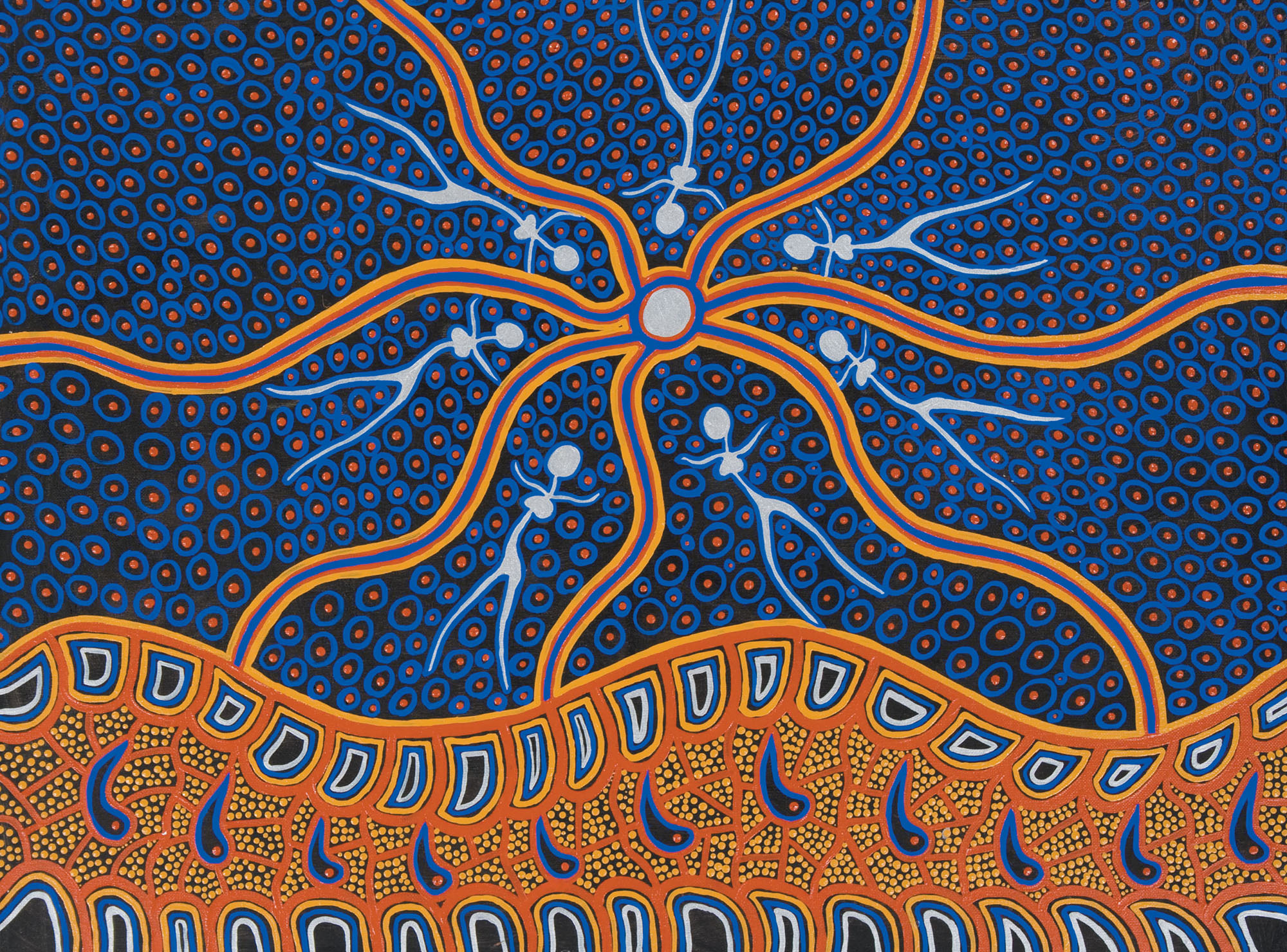
Artwork

Seven sisters by Josie Boyle

Aboriginal and Torres Strait Islander Health Professionals

The Aboriginal and/or Torres Strait Islander health workforce make a vital contribution to health care in Australia in both specialised service delivery and in a wide range of mainstream health care roles [28890]. Their roles may include enhancing the amount and quality of clinical services provided to Aboriginal and/or Torres Strait Islander clients, facilitating communication with Aboriginal and Torres Strait Islander people and communities, and practicing administration and management [2661].

Aboriginal and/or Torres Strait Islander Health Workers and Health Practitioners, play an important role in reducing anxiety and improving the quality of communication for Aboriginal and Torres Strait Islander clients through cultural brokerage. They assist general practitioners (GPs) to better understand and respond to clients’ concerns, and help clients to better understand their illness and treatment. To learn more about this profession from Aboriginal and Torres Strait Islander Health Practitioners click here.

The National Association of Aboriginal and Torres Strait Islander Health Workers and Practitioners (NAATSIHWP) is the health profession association and peak body for Aboriginal and/or Torres Strait Islander Health Workers and Health Practitioners. NAATSIHWAP supports, promotes and gains recognition for the role of the Aboriginal and/or Torres Strait Islander Health Workers and Health Practitioners workforce.

Aboriginal and/or Torres Strait Islander Health Liaison Officers depending upon the requirements of a hospital or jurisdiction be required to have a minimum Certificate III in Aboriginal and/or Torres Strait Islander Primary Health Care. Their workplace may not require qualifications and registrations but they may be an Aboriginal and/or Torres Strait Islander Health Worker or Health Practitioner, working in the hospital setting.

To learn more about the unique and varied Aboriginal and Torre Strait Islander health professions click here.

The Aboriginal and Torres Strait Islander Health Practice Board of Australia has published two downloadable brochures highlighting the role and contribution of Aboriginal and Torres Strait Islander Health Practitioners to the Australian health care system and to closing the health gap. The Cultural Safety for Health Professionals portal has the 16 allied health practitioner boards supported by the Australian Health Practitioner Regulation Agency (Ahpra).

Ahpra has published Mandatory notifications: What you need to know, in relation to COVID-19, this also includes a range of resources.

References

Key resources

calculating...
calculating...
calculating...
calculating...
calculating...

Workforce information

calculating...
calculating...
calculating...
calculating...

Like to see more?

The funds provided by the Australian Department of Health and Aged Care enable good coverage of many areas, particularly those within the direct responsibility of the health system. However there are other health topics which require additional funding.

We seek your assistance to fund this topic to support us in helping to improve health outcomes for Aboriginal and Torres Strait Islander people.

Artwork

Country Metro #2 by Julie Weekes

Cultural Ways

Welcome to the Aboriginal and Torres Strait Islander Cultural Ways Portal where you will find information on how to appropriately engage with Aboriginal and Torres Strait Islander people and communities to demonstrate an awareness of their identity, history and culture. In addition to providing information on the holistic nature of the Aboriginal and Torres Strait Islander concept of health, the Portal also covers a number of key concepts like traditional healing and medicine, cultural practices like caring for country, death and grief (Sorry Business), law and lore, Men’s Business and Women’s Business. The section on identity explores how it is connected to land and country, various specific language and cultural groups, and Aboriginal and/or Torres Strait Islander identification. Working with community focuses on how non-Indigenous people can respectfully work with Aboriginal and Torres Strait Islander people and communities, and looks at various cross-cultural issues, cultural learning and respect, ethics, and best-practice. Finally, this Portal covers data sovereignty which refers to the inalienable right of  Indigenous people worldwide to their data ownership.

Upcoming Cultural Events

insert events

Key resources

calculating...
calculating...
calculating...
calculating...
calculating...

Workforce information

calculating...
calculating...
calculating...
calculating...

Like to see more?

The funds provided by the Australian Department of Health and Aged Care enable good coverage of many areas, particularly those within the direct responsibility of the health system. However there are other health topics which require additional funding.

We seek your assistance to fund this topic to support us in helping to improve health outcomes for Aboriginal and Torres Strait Islander people.

Artwork

Communities Gathering to Live as One by Melanie Robinson

Western Australia

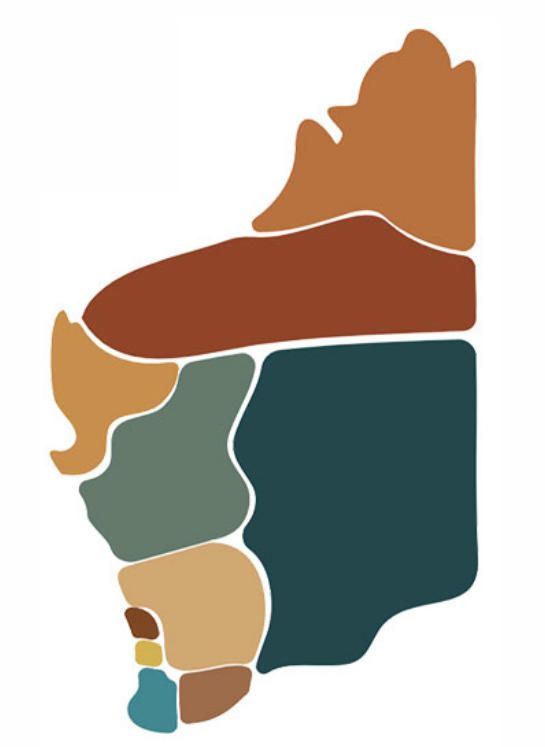
WA interactive map

Go to the publications, resources, programs, organisations, courses, events and jobs sections of the WA Portal to use the map and filter content by the following regions:

  • Gascoyne
  • Goldfields-Esperance
  • Great Southern
  • Kimberley
  • Mid West
  • Peel
  • Perth
  • Pilbara
  • South West
  • Wheatbelt.

WA is Australia’s largest State, taking up one third of the whole of the Australian land mass. Over three quarters of Western Australians live in the Perth metropolitan region, with around 5% in the Peel area [46763]. This is a similar distribution for Aboriginal and Torres Strait Islander people in WA with the majority living in the Perth, Peel and South West regions, followed by the Kimberley region.

Of all the people living in the Kimberley region, around 40% identify as Aboriginal and/or Torres Strait Islander [46764]. This is a much higher percentage than the Perth and Peel regions, where Aboriginal and Torres Strait Islander people make up less than 5% of the population.

In the 2021 Census, 3.3% (89,000 people) of the WA population identify as Aboriginal and/or Torres Strait Islander people compared with 3.2% nationally [46764]. Of the 89,000 people who identify as Aboriginal and/or Torres Strait Islander in WA, 95.8% identify as Aboriginal, 1.8% as Torres Strait Islander, and 2.3% as both Aboriginal and Torres Strait Islander.

References

Key resources

calculating...
calculating...
calculating...
calculating...
calculating...

Workforce information

calculating...
calculating...
calculating...
calculating...

Artwork

Connections by Mick Adams

Sexual Health

Sexual health is a broad concept that comprises many elements. The World Health Organization defines it as ‘a state of physical, emotional, mental and social well-being in relation to sexuality; it is not merely the absence of disease, dysfunction or infirmity. Sexual health requires a positive and respectful approach to sexuality and sexual relationships, as well as the possibility of having pleasurable and safe sexual experiences, free of coercion, discrimination and violence. For sexual health to be attained and maintained, the sexual rights of all persons must be respected, protected and fulfilled.’ [41205]

Sexual health is about people looking after their bodies and health and not just for people engaged in sexual activities or who have a sexually transmitted infection (STI) [23836]. It is about using their knowledge and skills to make healthy choices with the capacity to enjoy and have control of sexual behaviour built on personal and social values [17046]. Also, to not be afraid, and to be free of shame, guilt and abuse which can affect self-esteem and harm individuals and relationships.

A person’s state of sexual health depends on many factors including:

  • their view on sexual expression
  • the attitudes of their peers and society on sexual expression
  • the circumstances of the sexual relationships they may be involved in
  • their present physical and mental wellbeing
  • their wish (or not) to have children.

Sexual health may include:

  • pregnancy and childbirth
  • STIs
  • blood-borne infections
  • risky behaviours, for example, alcohol and drug use.

Sexual health is lifelong, not only in the reproductive years but for both the young and elderly [41237].

For Aboriginal and Torres Strait Islander people it is important to understand culture, traditions, customs and history and how these influence their sexual health [26356]. Careful thought must be given to the physical, spiritual, cultural, emotional and social wellbeing, the capacity of the community and governance when providing sexual health services for Aboriginal and Torres Strait Islander people. In some Aboriginal and Torres Strait Islander communities it is taboo for men and women to talk about sexual behaviour with each other.

Prevention programmes for sexual health in Aboriginal and Torres Strait Islander communities need to consider [17046]:

  • early detection
  • standard clinical treatment pathways for STIs and blood-borne infections
  • access to services that are culturally sensitive, safe and effective
  • health promotion
  • workforce development [41231].

It is also important that programmes are accessible to Aboriginal and Torres Strait Islander people, for example, within the prison system, injecting drug users, adolescents, gay men, the heterosexual community, lesbians and those living with STIs and blood-borne infections [17046].

Changing the focus of sexual health research with Aboriginal and Torres Strait Islander communities towards decolonising and community-led situations enhances the possibility for improvements in sexual health outcomes for communities. The participation of Elders and community members enables the collection of deeper, richer data about sexual health that ensures cultural safety and allows a voice for community [39829].

References

Key resources

calculating...
calculating...
calculating...
calculating...
calculating...

Workforce information

calculating...
calculating...
calculating...
calculating...

Artwork

Bec Morgan - When the fresh water meets the saltwater